


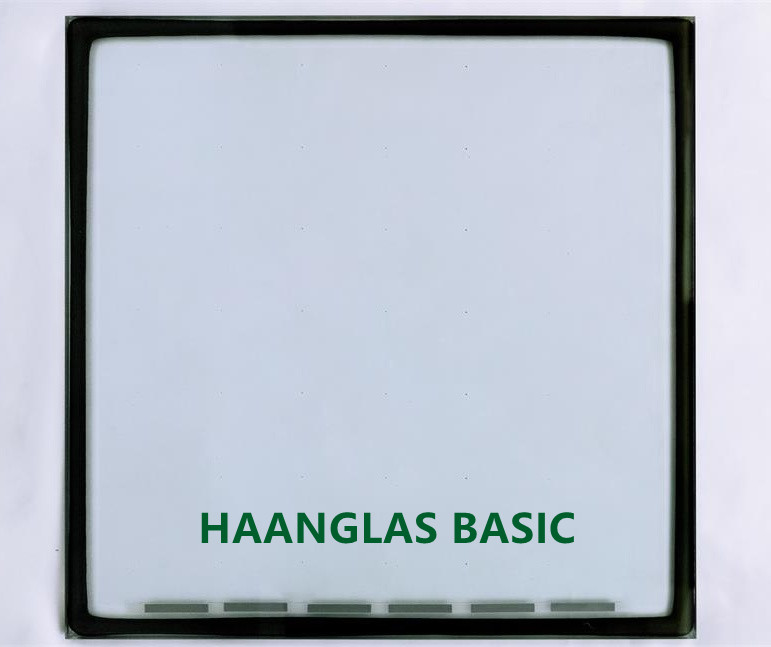
HaanGlas Basic VIG
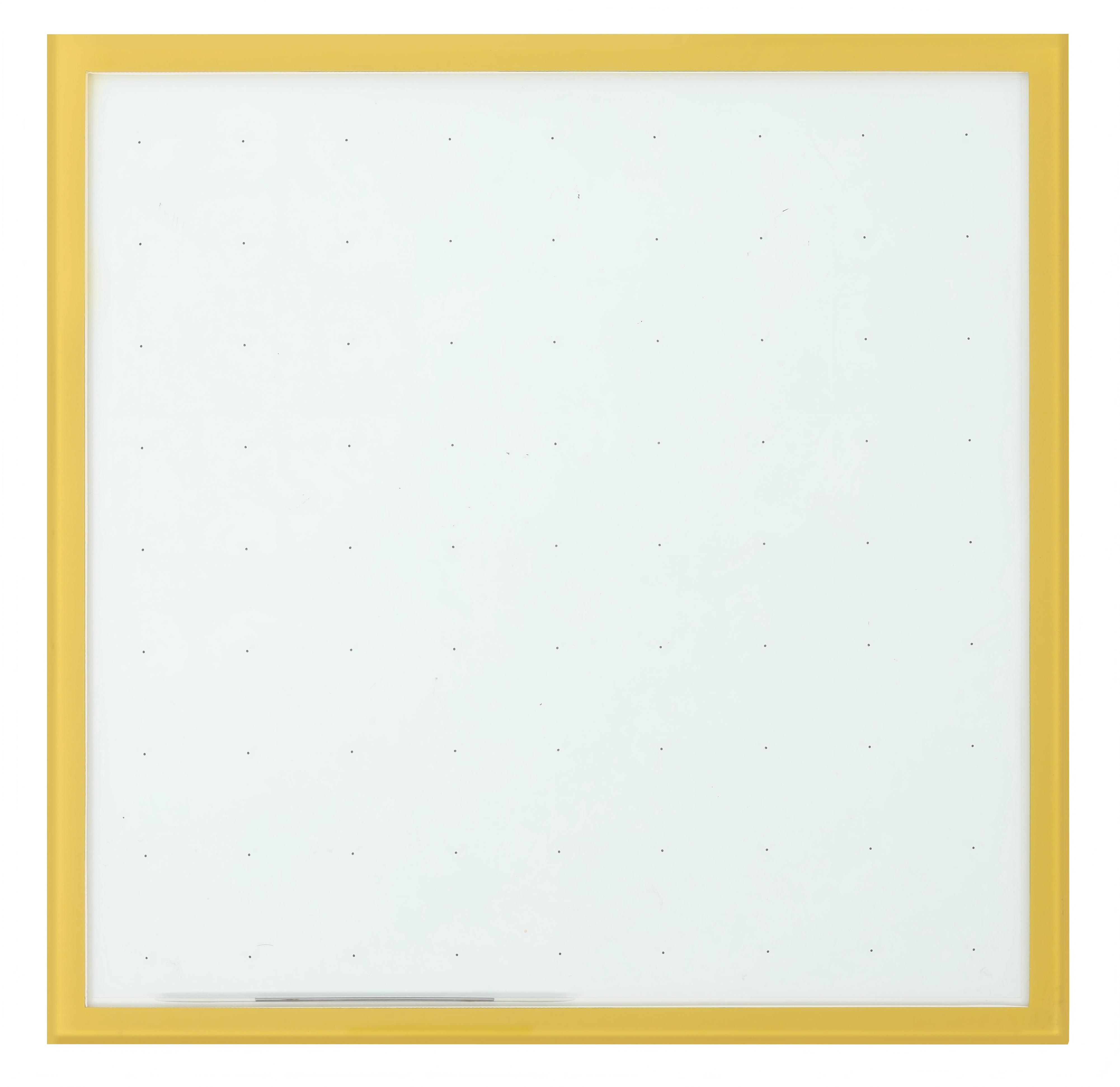
HaanGlas Pro VIG
CHINA, May 6, 2026 /EINPresswire.com/ — As Europe accelerates efforts to improve building energy performance, the renovation of existing structures has become a central focus of policy and industry activity. The revised Energy Performance of Buildings Directive (EPBD) places increasing emphasis on upgrading the energy efficiency of older buildings, many of which were constructed before modern performance standards were established.
Beyond energy savings, retrofit projects are also increasingly addressing indoor environmental quality, including thermal comfort and noise reduction—particularly in dense urban environments.
Growing Demand for Building Renovation
Buildings account for a significant share of energy consumption across Europe, with a large proportion of the existing building stock considered energy inefficient. As a result, policymakers are prioritizing renovation strategies aimed at reducing energy demand while improving overall building performance.
At the same time, urbanization has contributed to rising concerns around environmental noise. In many cities, traffic and street-level activity can impact indoor comfort, making acoustic performance an additional consideration in building upgrades.
Challenges in Retrofitting Existing and Heritage Buildings
Retrofitting existing buildings—especially heritage or historically sensitive structures—presents a range of technical constraints. In many cases, façade appearance must be preserved, and existing window frames are retained. These limitations can restrict the use of thicker, multi-layer glazing systems, which may require structural modifications or additional load-bearing capacity.
As a result, project teams are often required to balance improved performance with minimal intervention to the original building structure.
Emerging Role of Advanced Glazing Technologies
Within this context, the glazing industry is exploring alternative solutions that can meet both energy and spatial requirements. Among these, Vacuum Insulated Glass (VIG) is being evaluated as a potential option in retrofit scenarios.
VIG replaces the gas-filled cavity found in conventional insulated glass with a vacuum layer, reducing heat transfer through conduction and convection. This approach enables thermal insulation performance to be achieved within a thinner profile compared to traditional double or triple glazing systems.
Addressing Both Thermal and Acoustic Performance
In addition to thermal performance, glazing systems in retrofit applications may also contribute to improved acoustic conditions. The structural configuration of VIG, including its dual-pane design and vacuum cavity, can support the reduction of airborne sound transmission.
This combined focus on energy efficiency and noise mitigation is particularly relevant in urban retrofit projects, where both heat loss and external noise are key concerns.
Application in Urban and Heritage Retrofit Projects
Vacuum Insulated Glass is being considered in a range of retrofit applications, including residential upgrades, urban redevelopment, and the renovation of historically significant buildings. In such contexts, maintaining the original appearance of the building while improving performance is often a primary objective.
The relatively slim profile of VIG may allow integration into existing window systems with limited modification, making it a subject of interest in projects where space and structural constraints are present.
Industry Perspective
Industry stakeholders, including architects, façade consultants, and building engineers, are increasingly assessing glazing solutions that can address multiple performance requirements simultaneously. As policy frameworks continue to evolve, the demand for materials that support both energy efficiency and occupant comfort is expected to grow.
Outlook
As Europe advances toward long-term building decarbonization targets, the range of technologies considered for retrofit applications is likely to expand. Vacuum Insulated Glass represents one of several approaches currently under evaluation for its ability to combine thermal performance with a compact structural profile.
Future adoption will depend on factors such as cost efficiency, manufacturing scalability, long-term durability, and verified performance in real-world applications.
HAN XIAOQING
ShanDong HaanGlas CO.,LTD
+86 177 0546 4660
email us here
Legal Disclaimer:
EIN Presswire provides this news content “as is” without warranty of any kind. We do not accept any responsibility or liability
for the accuracy, content, images, videos, licenses, completeness, legality, or reliability of the information contained in this
article. If you have any complaints or copyright issues related to this article, kindly contact the author above.

