


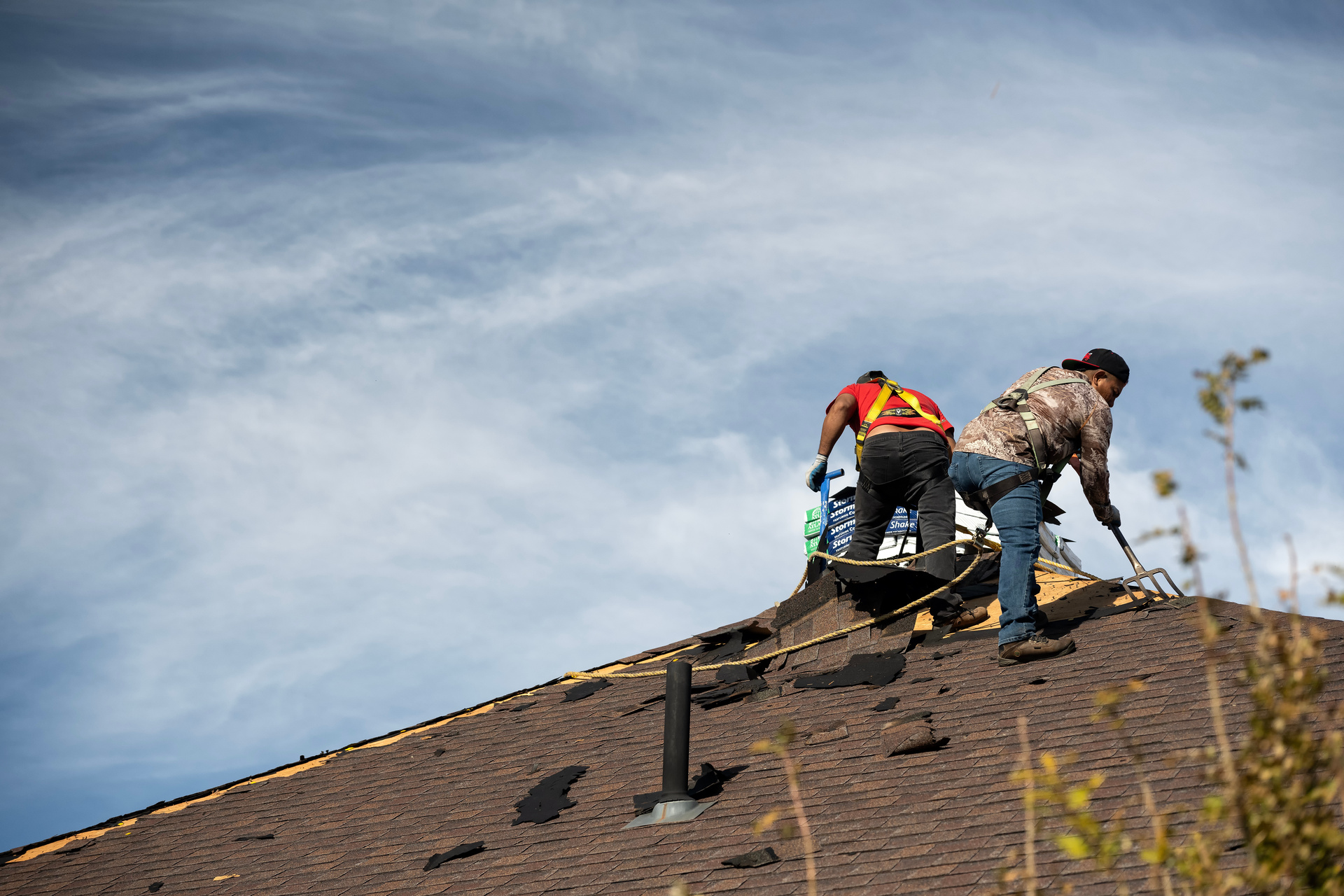

WISCONSIN RAPIDS, LA, UNITED STATES, April 23, 2026 /EINPresswire.com/ — On-site roofing evaluations continue to serve as a key step in determining how roofing systems are assessed, maintained, and repaired. Direct observation of a roof’s condition allows for a more accurate understanding of structural performance, material wear, and potential areas of concern.
Roofing systems are exposed to a range of environmental conditions over time, including temperature changes, precipitation, wind, and debris. These factors can contribute to gradual wear that may not be immediately visible from ground level. On-site evaluations provide a closer look at how these elements have affected the roof.
The evaluation process typically begins with a visual inspection of the roof surface. Shingles, membranes, flashing, and other materials are examined for signs of damage or deterioration. Missing components, surface irregularities, and visible wear can indicate areas that require further attention.
Structural elements are also reviewed during an on-site evaluation. The condition of the roof deck, support systems, and underlying materials contributes to overall stability. Identifying structural concerns early can help guide decisions related to repair or replacement.
Thad Brown, owner and founder of Dynamic Alliance Roofing LLC in Wisconsin Rapids, Wisconsin, described on-site evaluations as a necessary part of understanding roof performance. “A roof needs to be seen up close to understand its condition. Surface-level observations do not always show what is happening underneath.”
Moisture detection is another component of on-site evaluations. Water intrusion may occur beneath roofing materials without immediate visible signs. Inspectors may look for soft spots, discoloration, or other indicators that suggest moisture presence. In some cases, additional tools may be used to confirm findings.
Flashing and sealant areas receive particular attention during inspections. These components are designed to prevent water from entering joints and transitions. Over time, they can deteriorate or shift, creating entry points for moisture. On-site evaluation helps identify these vulnerabilities.
Ventilation is also considered as part of the assessment. Proper airflow within a roofing system helps regulate temperature and moisture levels. Inadequate ventilation can contribute to premature wear or structural issues. Observing ventilation components provides insight into overall system performance.
Drainage plays a role in how a roof handles precipitation. On flat or low-slope roofs, standing water can indicate drainage issues. On sloped roofs, gutters and downspouts are evaluated to ensure water is directed away from the structure. These factors are reviewed during an on-site visit.
Material type influences how conditions are interpreted. Asphalt shingles, metal panels, and membrane systems each have different characteristics. Understanding these differences allows for more accurate assessment of wear patterns and expected lifespan.
On-site evaluations also provide an opportunity to review previous repairs. Areas that have been patched or modified may behave differently over time. Observing these sections helps determine whether past work remains effective.
Access to the roof allows for direct interaction with materials. Walking the surface can reveal conditions that are not visible from a distance. This includes subtle changes in texture, flexibility, or stability that may indicate underlying issues.
Safety considerations are part of the evaluation process. Inspectors use appropriate equipment and follow procedures designed to reduce risk while working at height. This ensures that the evaluation can be conducted thoroughly without compromising safety.
Documentation is often created during an on-site evaluation. Notes, photographs, and measurements provide a record of the roof’s condition at a specific point in time. This information can be used to compare changes over time or support decision-making.
“Experience plays a role in interpreting what is seen during an evaluation,” Brown added. “Recognizing patterns and understanding how materials behave over time helps guide the next steps.”
The findings from an on-site evaluation inform decisions related to maintenance, repair, or replacement. In some cases, localized repairs may address specific issues. In others, broader work may be required if the condition of the roof indicates more extensive wear.
Timing is influenced by the results of the evaluation. Addressing issues early can help prevent further damage, while delayed action may lead to more complex conditions. On-site evaluations provide the information needed to determine appropriate timing.
Environmental conditions and seasonal factors may also influence evaluation outcomes. Roofs may behave differently depending on temperature and weather exposure. Observations made during different conditions can provide a more complete understanding of performance.
On-site roofing evaluations remain an essential part of property maintenance. By providing direct insight into the condition of roofing systems, these evaluations support informed decisions that reflect actual conditions rather than assumptions.
Through detailed observation and documentation, on-site evaluations contribute to a structured approach in managing roofing systems over time.
Morgan Thomas
Rhino Digital, LLC
+1 504-875-5036
email us here
Visit us on social media:
Facebook
Legal Disclaimer:
EIN Presswire provides this news content “as is” without warranty of any kind. We do not accept any responsibility or liability
for the accuracy, content, images, videos, licenses, completeness, legality, or reliability of the information contained in this
article. If you have any complaints or copyright issues related to this article, kindly contact the author above.

