



SLIDELL, LA, UNITED STATES, April 23, 2026 /EINPresswire.com/ — Outdoor features continue to influence how residential properties are used, extending living space beyond interior walls and shaping daily routines. From patios and covered areas to kitchens and landscaped layouts, exterior design elements contribute to how space is organized, accessed, and maintained.
The role of outdoor features has evolved alongside changing expectations around residential use. Areas once considered secondary, such as backyards or side yards, are increasingly integrated into overall property design. These spaces are no longer limited to occasional use but are often planned as functional extensions of the home.
Covered patios and outdoor living areas provide a transition between indoor and outdoor environments. These structures offer shade, weather protection, and defined space for seating or gatherings. By creating a consistent environment, these features support regular use rather than seasonal or occasional activity.
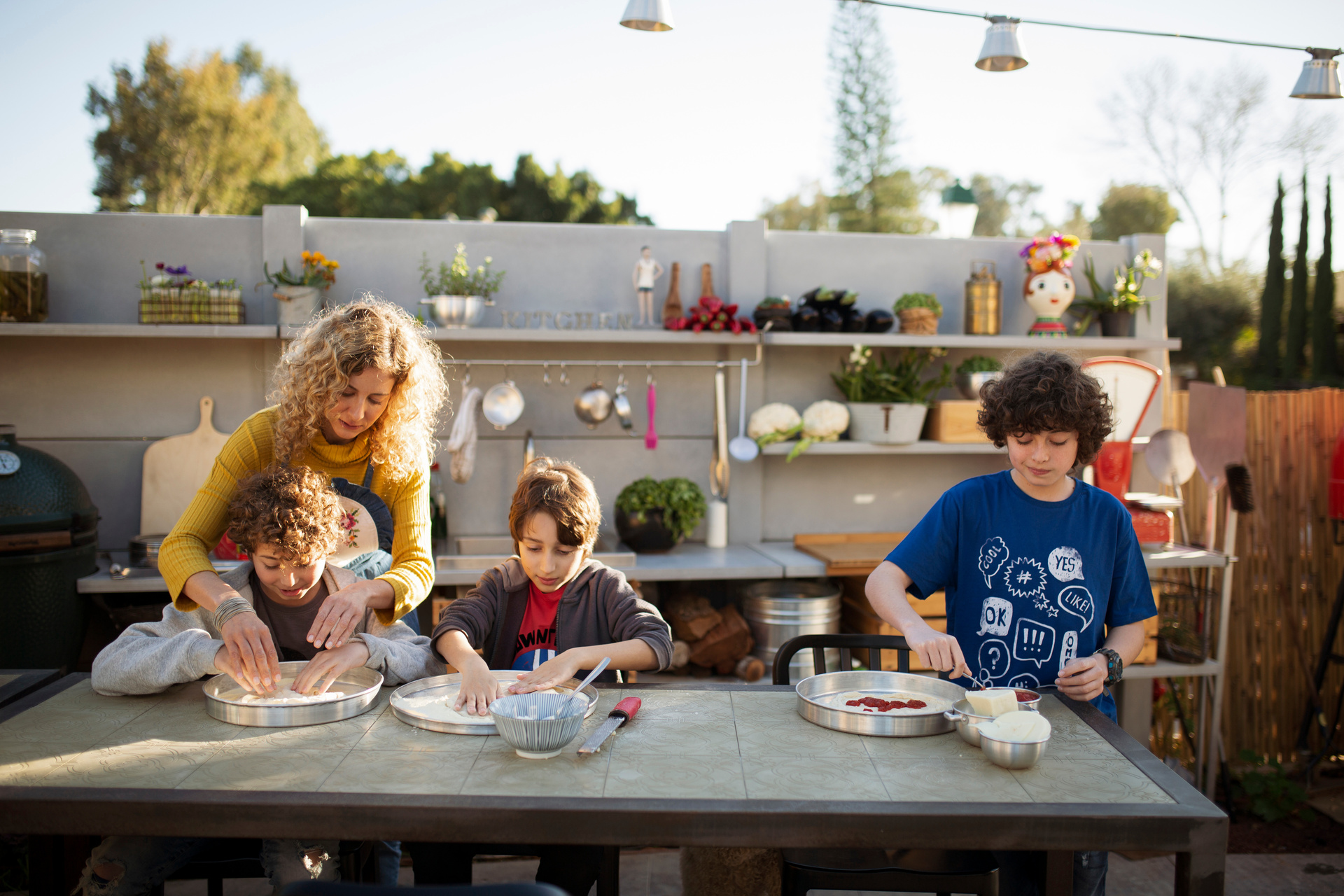
Outdoor kitchens represent another shift in how exterior space is utilized. Cooking areas equipped with grills, counters, and storage allow for meal preparation outside the home’s interior footprint. This arrangement changes how gatherings are organized, often keeping activity centered outdoors for longer periods.
Landscaping also plays a role beyond appearance. Walkways, lighting, and plant placement can guide movement across a property, influencing how space is navigated. Thoughtful layouts create natural paths and designated areas for specific uses, such as seating, recreation, or quiet space.
Water features and pools introduce additional considerations. These elements affect both daily use and long-term maintenance. Placement, safety measures, and surrounding materials all contribute to how frequently these areas are used and how they integrate with the rest of the property.
Elwin Ordoyne, Vice President of E.C.O. Builders Inc. in Slidell, Louisiana, described outdoor features as an extension of structural planning. “Outdoor areas influence how a property functions on a daily basis. Design decisions made outside the home affect traffic flow, usability, and how different spaces connect.”
Climate plays a significant role in determining which outdoor features are practical. In regions with extended warm seasons, outdoor areas often see consistent use throughout the year. Features such as ceiling fans, screened enclosures, and shade structures can help maintain comfort and expand usability during hotter months.
Lighting contributes to how outdoor spaces are used after sunset. Path lighting, overhead fixtures, and accent lighting can extend the functional hours of a property. Proper placement improves visibility while also defining boundaries between different areas.
Material selection affects durability and maintenance requirements. Surfaces exposed to weather conditions must withstand temperature changes, moisture, and wear. Materials such as treated wood, composite decking, and stone are often selected based on how they perform over time rather than appearance alone.
Privacy elements also influence how outdoor spaces are experienced. Fencing, vegetation, and structural barriers can create separation from neighboring properties. This separation can encourage more frequent use by providing a sense of enclosure.
Outdoor features can also support specific activities. Fire pits, seating areas, and open lawn space each serve different purposes. The arrangement of these features determines whether a space supports large gatherings, small groups, or individual use.
Drainage and grading are often overlooked but remain critical to functionality. Proper water management prevents pooling and protects both the structure and surrounding landscape. These factors influence how accessible and usable a property remains during varying weather conditions.
Storage solutions within outdoor areas can further impact usability. Built-in benches, sheds, and concealed storage spaces allow equipment and furniture to remain accessible without cluttering the area. This organization supports consistent use by reducing the effort required to prepare the space.
Accessibility is another consideration. Pathways, step placement, and transitions between surfaces affect how easily different areas can be reached. Thoughtful design ensures that outdoor spaces remain usable for a wide range of needs and mobility levels.
The integration of outdoor features with interior design creates continuity across the property. Door placement, window alignment, and sightlines can connect indoor and outdoor areas visually and physically. This connection reinforces the idea of the property as a unified space rather than separate zones.
Maintenance requirements influence long-term use as well. Features that require frequent upkeep may see reduced use over time. Designing with maintenance in mind can support consistent engagement with outdoor areas.
“Outdoor features are not separate from the home itself,” Ordoyne added. “They contribute to how the entire property is experienced. Every element, from layout to materials, affects how space is used.”
As residential design continues to adapt, outdoor features remain a central factor in shaping property use. The combination of layout, materials, and environmental considerations determines how these spaces function over time.
Understanding the role of outdoor elements allows for more intentional planning, where exterior areas support daily activity rather than serving as unused extensions of the property.
Morgan Thomas
Rhino Digital, LLC
+1 504-875-5036
email us here
Visit us on social media:
Facebook
Legal Disclaimer:
EIN Presswire provides this news content “as is” without warranty of any kind. We do not accept any responsibility or liability
for the accuracy, content, images, videos, licenses, completeness, legality, or reliability of the information contained in this
article. If you have any complaints or copyright issues related to this article, kindly contact the author above.

